Likelihood of Confusion

We write a lot here about the scope and strength of trademark rights and how that determination is often intertwined to making intelligent likelihood of confusion determinations.

Does “April Madness” fall within the NCAA’s scope of trademark rights for “March Madness“?

Likelihood of confusion? Is “March Madness” a famous mark deserving protection from

Wawa-logo

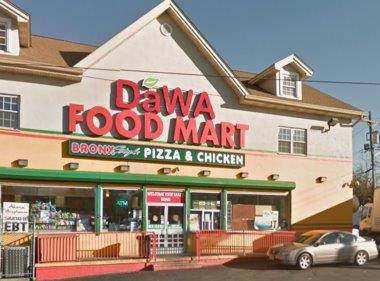
Earlier this month, Wawa, an East Coast convenience store chain, demonstrated it is not gaga over a single location food mart (copy of complaint linked here), called Dawa:

DawaFoodMart

As Dawa has vowed to defend its name, will this case come down to a battle over the meanings of the marks? Do

HoustonLawsuitGraphic

A trademark problem, that is, as reported by the Texas Tribune on Friday of last week.

Lest you be fooled by the above reference to Houston College of Law being established in 1923, the name has only been around since June of 2016.

In fact, when South Texas College of Law rebranded to

Yesterday we wrote about how petitions for partial cancellation under Section 18 of the Lanham Act can be creative and powerful tools when an applicant is confronted with likelihood of confusion registration refusals under Section 2(d), based on over-broad federal registrations.

Today, we’re speaking about this important tool that should be found in any

Section 2(d) of the Trademark Act is the statutory basis for refusing registration based on likelihood of confusion with another mark. It is invoked on an ex parte basis by USPTO Examining Attorneys, and it is also raised in the context of inter partes cases between adversaries.

When an applicant seeking to register its mark