Downtown Minneapolis is starting to come alive for upcoming Super Bowl LII, you can feel the energy building and commerce flowing, new ads and signage being erected almost daily:

What do you think, is the Super Bowl reference in the above temporary sign, a fair use? More particularly, nominative fair use? I do. But, will the NFL agree? Stay tuned.

Wow, words don’t and could never describe the emotions behind the last ten second fourth-quarter TD and Vikings win over the New Orleans Saints — Who Dat Nation — last night in Minneapolis:

Hat tip on the title, to a lubricated fan leaving U.S. Bank Stadium after the game — the whole Dilly Dilly thing seems kind of silly, but it’s fun to say, thanks Anheuser-Busch and Wieden+Kennedy:

The Dilly Dilly marketing phrase has gone viral and taken on meme status, so beyond the intent-to-use filing by Anheuser-Busch, many third party trademark filings are piling on, stay tuned.

Meanwhile, the Vikings are one step closer to Super Bowl LII . . . .

For the past several years, DuetsBlog has covered fashion house Louis Vuitton’s outlandish trademark “bullying” against law schools, dog toys, photographers, and movie studios. Most recently, we discussed the brand’s latest high-profile lawsuit against rival luxury canvas tote maker (sarcasm), My Other Bag, for trademark infringement and dilution.

To the casual observer, one might not be able to distinguish My Other Bag’s signature tote (which on one side says “My Other Bag,” and on the other has a cartoon picture of a bag) from that of Louis Vuitton’s “Speedy Satchel.” Case in point:

Too bad for Louis Vuitton the test for parody is largely based on the casual observer–or, at least those with “a modicum of intelligence.” Even they can tell that My Other Bag’s product was a joke, the District Court held.

My Other Bag Seeks Reimbursement for Louis Vuitton’s Obviously-flawed Lawsuit

After successfully defending itself against Louis Vuitton’s claims, My Other Bag filed a motion for attorneys’ fees incurred in responding to Louis Vuitton’s highly questionable suit, citing the Supreme Court’s recent decision in Octane Fitness v. Icon Health & Fitness, 134 S. Ct. 1749, 1758 (2014). The Lanham Act provides for attorneys’ fees in “exceptional cases,” and it is hard to see how this case might not be one of them, where the parody was–in the words of the District Court–“obvious.” Octane Fitness interpreted “exceptional” under the Patent Act’s identical language to depend on the circumstances and strength of a party’s litigating position (as compared to the typical case).

On January 8, 2018, the District Court–to the surprise of many–denied My Other Bag’s motion, sidestepping whether Octane Fitness applies to the Lanham Act and holding that fees were not appropriate for “several reasons.” Louis Vuitton Malletier, S.A. v. My Other Bag, Inc., No. 14-CV-3419 (JMF), 2018 WL 317850 (S.D.N.Y. Jan. 8, 2018). They include:

  1. Although the District Court and the Second Circuit “did not find this case to be a particularly close call, it cannot say that Louis Vuitton’s arguments were so objectively unreasonable (as either a legal or factual matter) that no party ‘could see an opening . . . through which the argument[s] could be squeezed,'” primarily because dilution by blurring and infringement are fact-intensive and based on “subtle” multi-factor analyses.
  2. That a use is parody does not necessarily resolve a dilution or infringement claim, such as when a trademark is used as as designation of source, “and Louis Vuitton advanced colorable (albeit unsuccessful) arguments that [My Other Bag’s] totes designated Louis Vuitton as their source.” The District Court also ironically pointed to a “flawed and distinguishable” case that Louis Vuitton has previously won as evidence that its position was not objectively unreasonable.
  3. The fact that Louis Vuitton did not show loss of sales or diminution of status is irrelevant because dilution is actionable regardless of actual or likely confusion (citing 15 U.S.C. § 1125(c)(1)).
  4. Louis Vuitton did not litigate the case “in an exceptionally vexatious and coercive manner,” but rather using merely “acceptable, if aggressive, litigation tactics” that were in some instances “regrettable,” but not exceptionally bad.
  5. “Louis Vuitton’s aggressive efforts to protect its trademarks have, on occasion, veered toward the unseemly.” The David-and-Goliath match-up was also concerning. However, Louis Vuitton had good reason to aggressively seek enforcement of its marks because if it didn’t, it could risk losing its rights. Moreover, Louis Vuitton has a history of winning many of its cases.

The District Court’s Precedent Will Likely Lead to More Undeserved Settlements in Parody Defense Cases

It is difficult to agree with the District Court’s conclusion on fees in this case, especially in view of the fact that Louis Vuitton is branded as “one of the biggest trademark bullies around.” There is something to be said for diligent protection of trademark rights, but it’s one thing to go after a counterfeiter and quite another to cause a non-competing humorist to expend over $800,000 in its defense. That both the District Court and the Second Circuit actually called Louis Vuitton out for its failure to take a joke shows that the company’s litigating position was exceptionally laughable.

More importantly, the ruling lays out an impossibly-high standard in effect; if this case is not exceptional, it is hard to believe any other case with the same procedural history would be. What constitutes exceptionally “vexatious and coercive” behavior if not the bringing of an unreasonable lawsuit? Ultimately, the District Court’s precedent, if adopted by other courts, will likely lead to more undeserved settlements. The jokesters become the butt of their own jokes, and the humorless thread one more feather to their “unseemly” caps.

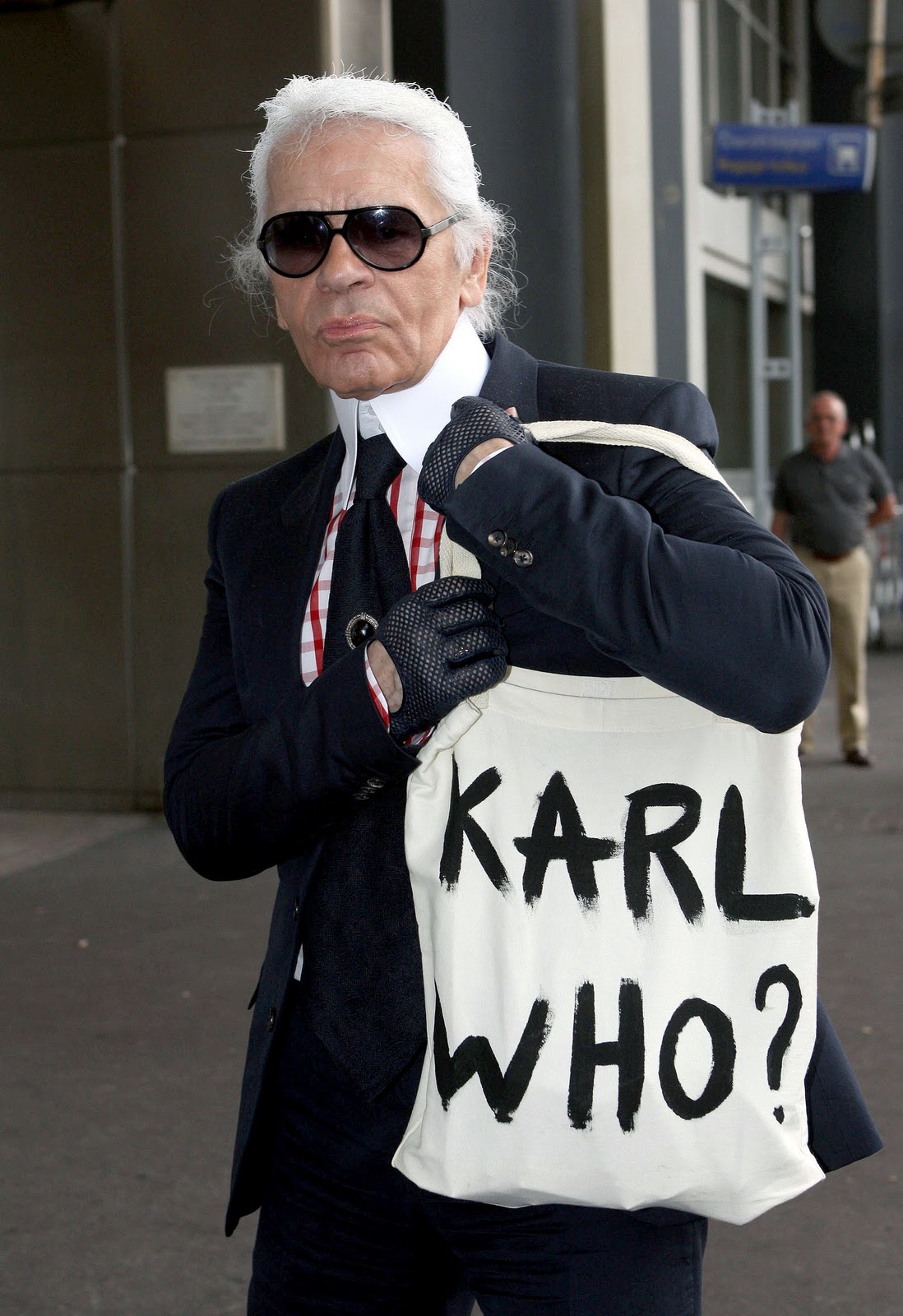
Thankfully others in the fashion industry, such as Chanel’s Karl Lagerfeld, show some semblance of fun–particularly as to tote bags. But given that the one he’s sporting below was made by Naco Paris in response to winning a trademark suit brought by Chanel, maybe not so much.

We follow closely and write a lot about what goes on with the Trademark Trial and Appeal Board (TTAB) at the U.S. Patent and Trademark Office (USPTO); these ironmongers do too, really well.

Serious trademark and brand owners care about TTAB decisions because many trademark disputes begin and end there, as the TTAB determines the important right to federally register trademarks.

What I mean by beginning there is, discreetly-used third party conflicting marks “flying under the radar,” rise to another level of trademark enforcement importance for a trademark and brand owner when the user also seeks federal registration, almost requiring the opening opposition salvo.

Federally-registered trademark owners know the importance of protecting the federal trademark register, because what, and how many similar third party marks, are allowed for registration, can negatively impact the owner’s trademark strength, scope of rights, and enforcement success.

Trademark rights are dynamic, they’ll shrink or grow over time, depending on the landscape at the time of enforcement, so not limiting registration at the USPTO can have more negative impact on strength and scope than an single, discreet, unauthorized use of a confusingly similar mark.

Looking the other way at trademark applications landing within a brand owner’s legitimate scope of protection, indirectly sends the perhaps unintended message to the trademark world, and those who monitor it, that the owner willingly accepts the shrinkage of its trademark rights.

So, serious trademark owners watch for conflicting filings at the USPTO, and stand in the way of registration, until agreement can be reached on how to coexist without a likelihood of confusion.

What I mean by many trademark disputes ending at the TTAB is, most oppositions do not go to final decision, the vast majority settle with a mutually-beneficial coexistence agreement in place.

And, when they don’t, trademark and brand owners — who follow us here — also know that the importance of final TTAB decisions has been raised, as the U.S. Supreme Court recently opened the door to having certain TTAB decisions — through the application of issue preclusion — control the outcome of later federal district court infringement and dilution law suits.

Congratulations to the TTAB on reaching sixty years of dedicated service to trademark and brand owners, as we look forward to the interesting issues likely to be decided in 2018 and beyond.

As I reflect on the more than twenty-five years of my experience before the TTAB, at this point in time — spanning nearly half of the TTAB’s existence — I’ll have to say, the TTAB seems to be carefully and thoughtfully emulating the characteristics of a fine wine as it matures.

What are your predictions of the 2018 decisions that will stand out? Fraud? Functionality? Fame?

Will the TTAB revisit its previous perceived inability to address Constitutional issues, like say, dilution tarnishmentreligious text marks, or application of the Section 2(c) bar to prevent federal registration of political trademark speech, and, if not this coming year, when?

I’m thinking this will be the year of informational and failure to function decisions, how about you?

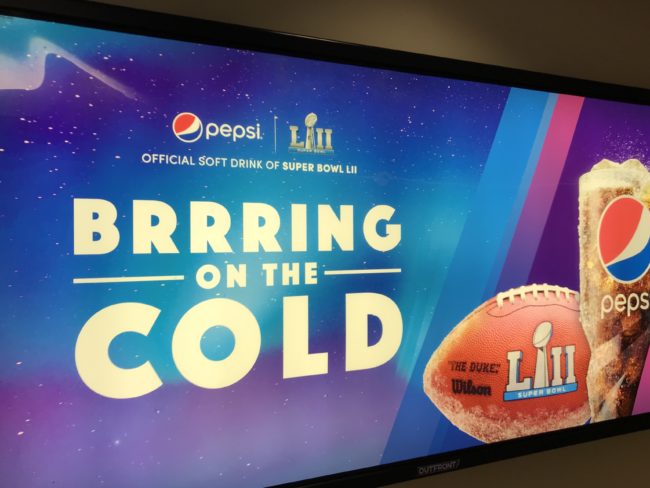
We continue to have Super Bowl LII on our minds here in the Twin Cities. It’s hard to avoid thinking about the upcoming “Big Game” with ads like these blanketing our skyway maze:

Turns out, everyone wants to have a little piece of the action in this upcoming event, even without the formality and cost associated with sponsorship, some call it ambush marketing:

Ambush marketing is not necessarily unlawful. It’s tricky, but I’m guessing the above ad may have cleared a legal review. No obvious conflicts with federally-registered rights, it appears.

Having said that, does this little guy change your view on things? Look familiar? It appears to be the same Wilson NFL Pee Wee Touchdown football without the name brands shown:

I’m thinking the JB Hudson ad employed a little airbrush strategy, or at least some strategic and highly precise palm expansion and placement in hiding the Wilson and NFL logos.

Actually, if so, it’s a good move, but will it be enough — especially given this website link — to avoid the aggressive NFL Super Bowl sponsorship police?

Who owns rights in TOUCHDOWN for footballs, if anyone? Anyone?

Neither Wilson nor the NFL appear to own federally-registered rights in TOUCHDOWN for footballs, but do common law rights exist?

If so, who owns them, the NFL or the maker of the NFL’s official game footballs, Wilson?

Moreover, did legal review consider non-verbal marks? What about the stitching design bordering the football laces? Non-traditional trademark? Functional? If not functional, fair use?

So much to think about as we anxiously await the Big Game in our own chilly backyard . . . .

We’ve come a long way from April 1, 2017, until now, with the steady drumbeat — and ads galore — in preparation for the upcoming Super Bowl LII in downtown Minneapolis:

As the NFL promotes use of the SBLII hashtag, it is preparing to do battle, or at least stand in the way, of another hashtag mark that the USPTO published for opposition: #HereWeGo.

Turns out, the NFL and the Pittsburgh Steelers appear to be concerned with Jennifer Menichini’s application to federally register #HereWeGo for a variety of clothing items.

I’m guessing that the Steelers believe they have standing to try and block registration of Menichini’s claimed mark based on the Steeler’s fight song, apparently called “Here We Go.”

Stay tuned to see whether this results in a formal trademark opposition, as the deadline for the NFL and Steelers is currently the day before Super Bowl LII: February 3, 2018.

Recently traded this picture (credit to this G, not that one) for sub-zero temps in the Twin Cities:

Wonderful time spent with family; looking forward to sharing lots of trademark stories in 2018.

Do you have any wishes for 2018? Do you have any 2018 resolutions you’d like to share?

The former implies a lack of control. The latter suggests an ability to control with some discipline.

My wish for our Vikings is to enjoy home field advantage during Super Bowl LII, and win!

My 2018 New Year’s Resolution is modest and achievable: Continue rising 30 minutes earlier, to enjoy a good stretch complete with deep and inspiring thoughts.

Happy New Year to each and every one of you!

December is one of the largest shopping months of the year, due mostly to the overlap of multiple major holidays, such as Hanukkah and Christmas, and the coming new year. It is perhaps unsurprising, then, that several companies and creatives invoke the spirit of the holidays through festive marks–to great financial gain. But you might be surprised to learn just how many holiday-themed trademarks have been registered with the U.S. Patent and Trademark Office over the years. Take a look at some recent trademark search results for common holiday terms:

  • Hanukkah/Chanukah: 49 registrations (e.g., “Happy Hanukkah!”)
  • Kwanzaa: 27 (e.g., “Kwanzaa Teddy”)
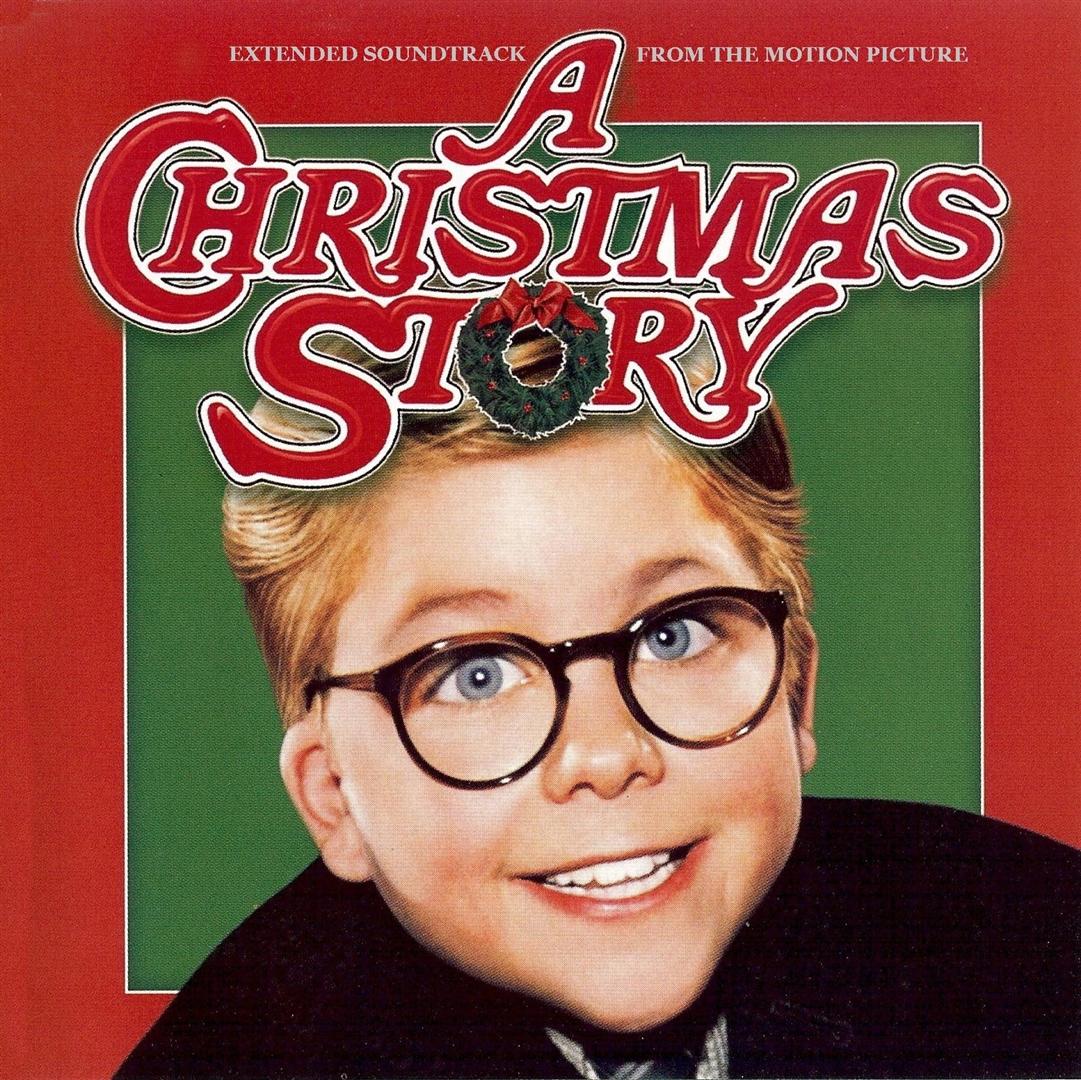
  • Christmas: 2,202 (e.g., “A Christmas Story”)

Source: All Ticket

  • Merry Christmas: 87 (e.g., “Merry Christmas Ya Filthy Animal”)
  • Christmas Tree: 138 (e.g., “Christmas Tree Hugger”)
  • Jingle Bells: 58 (e.g., “Jingle Bell Rock Candy”)
  • Happy Holidays: 34 (e.g., “Happy Holiday Salad”)
  • Dreidel: 27 (e.g., “Outer Space Dreidel”)
  • Yule: 51 (e.g., “A Cool Yule Tool”)
  • New Years: 226 (e.g., “Sing in the New Year”)
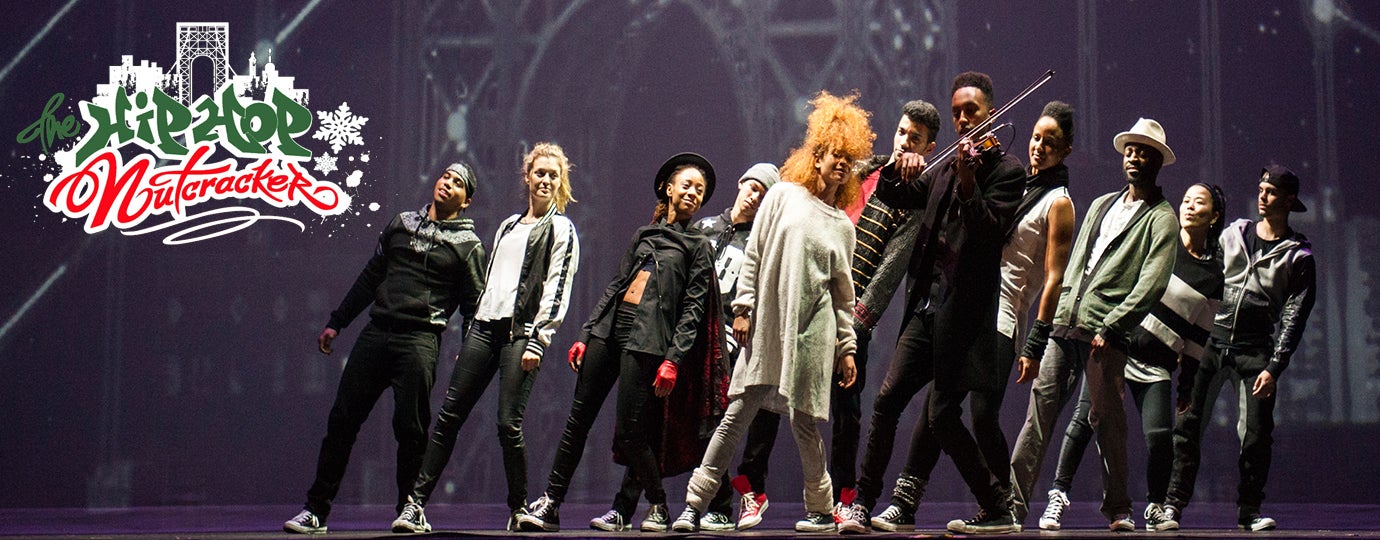
  • Nutcracker: 103 (e.g., “Hip Hop Nutcracker”)

Source: Ticket Star

  • Frosty: 383 (e.g., “FrostyBites Frozen Yogurt”)
  • Scrooge: 47 (e.g., “Scrooge McJellz”)
  • Rudolf/Reindeer: 50 (e.g., “Joe the Suntanned Reindeer”)
  • Santa Claus: 134 (e.g., “Camouflage Santa Claus”)
  • Saint Nicholas/Saint Nick: 55 (e.g., “Saint Nicks Flying U.F.O.”)
  • Elf/elves: 596 (e.g., “Zombie Elves”)
  • Bah Humbug: 32 (e.g., “Humbug’r”)

Source: Oregon Beer Project

  • Grinch: 46 (e.g., “Grinch’s Cave Maze”)
  • Krampus: 13 (e.g., “Krampus Cookies”)
  • Snowman: 119 (e.g., “Snowman: the Eighty Dollar Champion”)
  • Snowflake: 191 (e.g., “Yeti Snowflake”)
  • Resolutions: 5 (e.g., “Resolutions It’s a New Year Every Day”)

No matter how one celebrates, and whether near or far from friends and family, the excitement surrounds us at every turn, gifting us with clever brands and slogans (as noted above). Happy holidays and a joyous new year!

Nearly four years ago, Friend of the Blog Derek Allen and I published an article on our Top 10 Fictional Lawyers of all time. Part 1 and Part 2 are etched in the tomes of Duets Blog for your perusal and criticism. It was difficult to decide on the top ten, but we felt like we covered our bases pretty well with a long list of “honorable mentions.” Yet I recently realized there was a glaring omission from our list, Mr. Oliver Babish from the television series The West Wing, played by the actor Oliver Platt. I knew it was necessary to amend the list as soon as possible (i.e., the next time I was scheduled to post) to correct this injustice, and pass along some nuggets of legal advice that Mr. Babish provided to us all.

With this year’s increased attention to political issues of all kinds, I continued to find myself remembering scenes from the show. When my wife mentioned she had recently finished a new series, and I realized she had not seen The West Wing, the choice was obvious. So now we are knee deep in Season 3, when Mr. Babish arrives. I’ll try to avoid any significant spoilers, but Mr. Babish’s arrival coincides with a major scandal involving all of the main characters of the show, from the President and the First Lady too the assistants, deputies, and advisors. Mr. Babish interviews each of them, one by one, to assist in determining whether any law has been broken, fighting most of them along the way. While each character is initially frustrated and annoyed with Mr. Babish’s questions, he quickly makes clear why his questions are so important. While the substance of the inquiries likely has no direct impact on our lives, I’d like to provide three pearls of wisdom that both lawyers and non-lawyers would do well to remember.

First, gather all the facts before you form an opinion. After speaking with the President for (presumably) a half hour or more, he leaves for another meeting. The Chief of Staff asks, “Well, what do you think?” Babish’s answer? “I am nowhere close to being able to answer that.” Don’t give your clients, fellow attorneys, or others advice based on incomplete advice. When it can’t be avoided, stick to the law school standby “it depends.”

The second pearl involves the White House Press Secretary, C.J. Cregg. In the midst of asking substantive questions, the following exchange occurs:

Oliver Babish:  Do you know what time it is?
C.J. Cregg:  It’s five past noon.
Oliver Babish:  I’d like you to get out of the habit of doing that.
C.J. Cregg:  Doing what?
Oliver Babish:  Answering more than was asked.
Oliver Babish:  Do you know what time it is?
C.J. Cregg: Yes.


The point is that C.J. will likely be subpoenaed to testify and be deposed. While limiting the answers is part of the goal, this advice has the added benefit of conditioning a person to focus on the question and think through the answer before speaking. This is great advice not just for those being deposed, but all of us when we’re engaged in important conversations, legal or otherwise.

Finally, the third pearl is that words matter apart from their substance. While questioning the First Lady, Babish is focused on the First Lady’s signing a form on behalf of her then 17 year old daughter (Warning: Possible Spoilers ahead). The First Lady states she doesn’t remember if she read it or not, she just signed it. It was one of hundreds or thousands of forms signed for her multiple children over many years. The reason this matters, is because the President (Spoiler Alert) was diagnosed with MS during the campaign, but never disclosed it. If the First Lady signed the form, then she may have falsely stated that there was no family history of medical problems.  When she claims she didn’t read it, Babish asks her whether when she was a practicing doctor whether she had a habit of signing medical forms without reading them. When the First Lady explains that the illness is not genetic and therefore it doesn’t matter for the form’s purpose of determining whether her daughter might have the illness, Babish asks why she’s changing her story? Did she sign it because she didn’t read it, or did she sign it because it didn’t matter?  It’s important for lawyers, our clients, and most people generally to remember Babish’s point: the way you say something is just as important as the substance of what you’re saying.

These are just some of the helpful nuggets for lawyers and others found in Mr. Platt’s Oliver Babish character. The guest performance netted him a nomination for an Emmy for best guest performance in a drama. Where would a place him in the Top 10 Fictional Lawyers of All Time? I’d probably have to do some reshuffling, so let’s peg him at #11 for now and perhaps we’ll revisit on the fifth year anniversary.

Last Friday was a big day for Erik Brunetti. He won his appeal at the CAFC, opening the door to federal trademark registration of his four-letter-word “fuct” clothing and fashion brand name.

The same door swung wide open for all other vulgar, scandalous, and immoral designations used as trademarks, because the 112-year old registration prohibition was found to violate free speech.

You may recall where I take a knee on the free speech argument as it relates to the government’s issuance of federal trademark registrations, see here, here, here, here, here, here, and here.

I’m continuing to believe Congress has the power under the Commerce Clause to distance itself from and not be viewed as endorsing certain subject matter on public policy grounds, especially when Certificates of Registration are issued “in the name of the United States of America.”

Having said that, I’m thinking the federal government has done a less than stellar job of articulating and advocating for this right, which may very well explain the current state of affairs.

What is striking about the CAFC ruling is its breadth. It isn’t guided by the Supreme Court’s Tam decision — requiring viewpoint discrimination — as the Tam Court found with disparagement.

The CAFC did not decide whether the “scandalous and immoral” clause constitutes impermissible viewpoint discrimination, instead it seized on mere content as lower hanging fruit for invalidation.

The problem with focusing on content alone is that it proves too much. Trademarks, by definition, are made up of content, and many other provisions of federal law limit the right to register based on content, so, if this analysis holds, what additional previously-thought-well-settled provisions of federal trademark law will fall? Importantly, some even allow for injunctive relief: tarnishment.

Asked before, but will dilution by tarnishment survive this kind of strict free speech scrutiny? According to the CAFC in Brunetti, strict scrutiny applies even without viewpoint discrimination.

All that leads me to explore with you Brunetti’s line of “fuct” clothing, and in particular, this t-shirt which is surprisingly for sale online, here.

We’ll see for how long it’s available online, or whether Mr. Brunetti will need to Go Further, to get another brand’s attention, hello, Ford:

It’s hard to imagine the famous Ford logo, consisting of the distinctive script and blue oval, not being considered sufficiently famous and worthy of protection against dilution — without a showing of likelihood of confusion. But, given Tam and Brunetti, is a dilution by tarnishment claim even viable, or is it just another federal trademark provision about to fall, in favor of free speech.

Just because Mr. Brunetti may be anointed with a federal registration for the word “fuct” doesn’t mean his depiction of the word in the above style and design is lawful for use or registration.

So, if Ford does pursue the Brunetti t-shirt, under a dilution by tarnishment theory, and if it were considered to be a viable claim, in the end, might Mr. Brunetti be the one, let’s say, uniquely suited — to vanquish tarnishment protection from the Lanham Act?

Or, will another potty-mouth brand be the one to seriously probe the constitutionality of dilution protection against tarnishment?

Last but not least, and sadly for me, last Friday also was a big day for Mr. Daniel Snyder too.